
Understanding Corporate Video Production Cost Factors
So, you’re thinking about investing in corporate video production. Smart move! Video content is king when it comes to grabbing attention and telling your brand’s story. But here’s the catch - how much should you really expect to spend? The truth is, the cost of corporate video production can vary wildly. And if you don’t know what drives those costs, you might end up shelling out way more than you planned or settling for something that doesn’t hit the mark.
Let’s break it down together. I’ll walk you through the key factors that influence corporate video production costs, so you can make informed decisions and get the best bang for your buck.
What Drives Corporate Video Production Cost Factors?
First things first, what exactly are the corporate video production cost factors? These are the elements that determine how much your video project will cost from start to finish. Understanding these will help you budget wisely and avoid surprises.
Here’s a quick rundown of the main cost drivers:
Pre-production planning
Scriptwriting and storyboarding
Talent and crew
Equipment and technology
Location and permits
Post-production editing and effects
Distribution and marketing
Each of these plays a role in shaping your final price tag. Let’s dig into each one.
Pre-Production: The Blueprint of Your Video
Think of pre-production as the foundation of your video. This phase includes everything from brainstorming ideas to finalizing the script and planning the shoot. It might sound like just “talking,” but it’s where a lot of time and money can be spent.
Why? Because the better your plan, the smoother the shoot and post-production will go. If you skip this step or rush it, you’ll likely face costly delays or reshoots.
What’s involved here?
Concept development
Scriptwriting
Storyboarding
Scheduling
Budgeting
For example, if you want a simple explainer video, pre-production might be quick and cheap. But if you’re aiming for a cinematic brand story with multiple scenes and actors, expect this phase to take longer and cost more.
Talent and Crew: Who’s Behind the Camera?
You might think the camera does all the work, but a skilled crew and talented actors or presenters make all the difference. Hiring professionals isn’t cheap, but it’s worth it.
Here’s who you might need:
Director
Cinematographer
Sound technician
Lighting crew
Actors or presenters
Production assistants
The size and experience of your team will impact costs. For instance, a high-profile director or well-known actor will cost more than a newcomer. Also, the number of shooting days affects crew fees.
Pro tip: If you want to keep costs down, consider using in-house talent or a smaller crew, but be mindful of the quality trade-off.

Equipment and Technology: Tools of the Trade
The gear you use can make or break your video’s quality. High-end cameras, drones, lighting rigs, and sound equipment don’t come cheap. Plus, you might need special tech like green screens or motion capture.
Here’s what to consider:
Camera quality (4K, HD, etc.)
Lighting equipment
Audio recording devices
Special effects gear
Editing software licenses
If you’re aiming for a polished, cinematic look, expect to pay more for top-tier equipment rentals or purchases. On the flip side, simpler videos can be shot with less expensive gear.
Location and Permits: Setting the Scene
Where you shoot your video matters. Filming in a studio is usually more controlled and predictable, but renting a studio space adds to your budget. Outdoor or on-location shoots can be stunning but might require permits, insurance, and travel expenses.
Things to keep in mind:
Location fees
Permits and legal permissions
Travel and accommodation for crew
Weather contingencies
For example, shooting in a busy city center might require permits and police coordination, which adds to costs. On the other hand, filming at your office or factory could save money but might limit creative options.
Post-Production: Where the Magic Happens
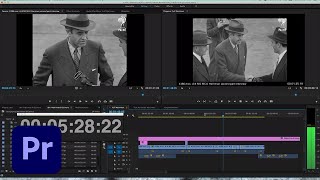
After the cameras stop rolling, the real magic begins. Post-production is where your footage is edited, color graded, sound mixed, and special effects added. This phase can be surprisingly time-consuming and expensive.
Key post-production tasks include:
Video editing
Color correction
Sound design and mixing
Motion graphics and animation
Voiceover recording
Revisions and final delivery
The complexity of your video will dictate how much post-production costs. A simple talking-head video might only need basic editing, while a product demo with animations and effects will require more time and expertise.

How to Get the Best Value for Your Investment
Now that you know what influences the cost, how do you make sure you’re spending your 2-3 lacs per month wisely? Here are some tips:
Define your goals clearly
Know what you want your video to achieve. Is it brand awareness, product launch, or training? This helps avoid unnecessary extras.
Prioritize quality over quantity
One well-made video can outperform several mediocre ones. Focus on storytelling and production value.
Work with a trusted production partner
A good team will guide you through the process, suggest cost-saving ideas, and deliver on time.
Plan for multiple uses
Repurpose your video content across platforms to maximize ROI.
Be transparent about your budget
Let your production team know your limits upfront so they can tailor solutions.
If you want to dive deeper into the cost of corporate video production, check out detailed pricing guides and case studies that can help you benchmark your project.
Making Your Video Budget Work Harder
Investing 2-3 lacs per month in video production is a serious commitment. But done right, it can pay off big time by boosting your brand’s visibility and engagement.
Remember, the key is to balance your creative ambitions with practical budgeting. Don’t be afraid to ask questions, negotiate, and explore different options. The more you understand the corporate video production cost factors, the better you can steer your project toward success.
So, ready to tell your story with a video that truly shines? Let’s make it happen!


Comments